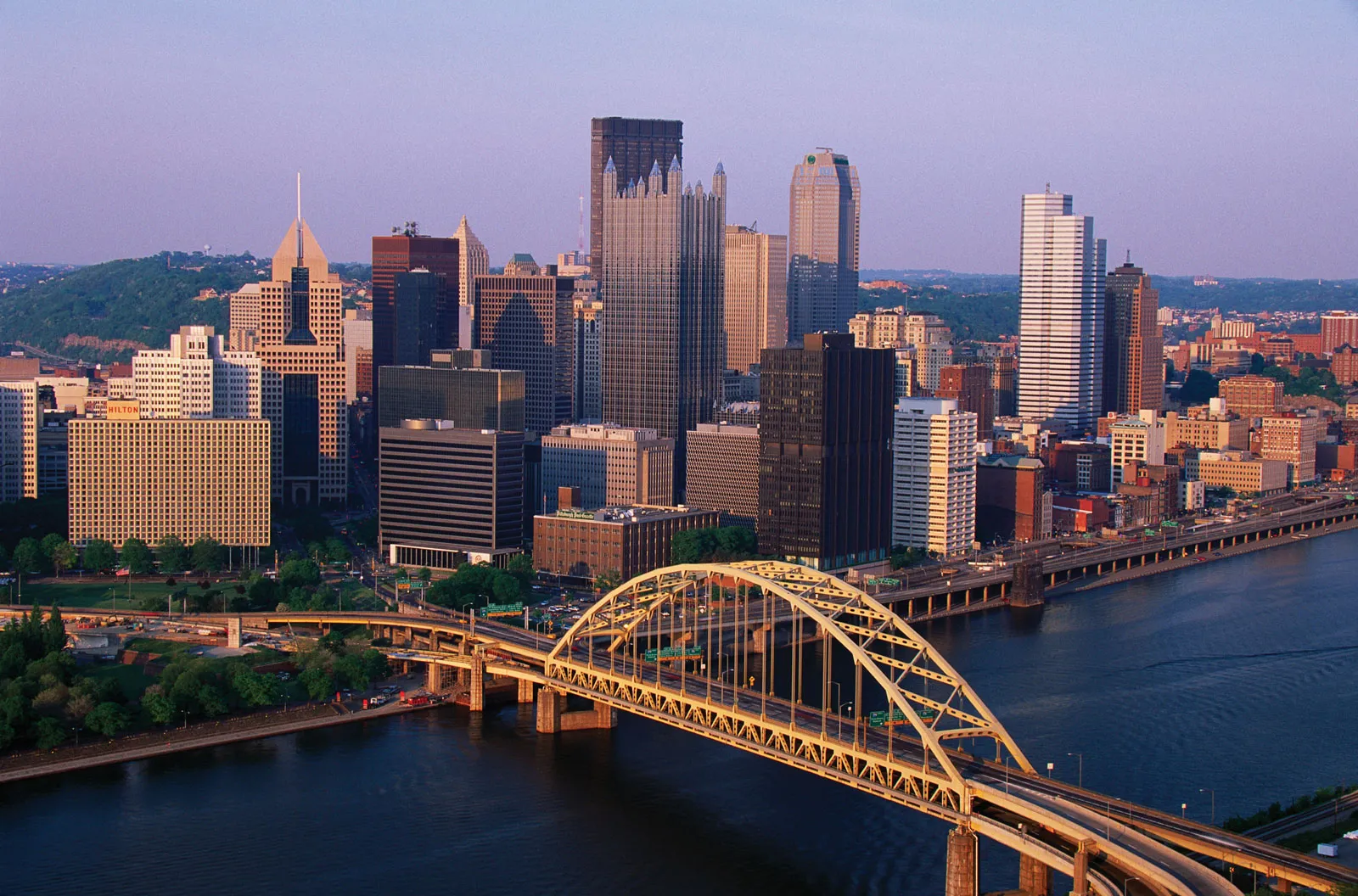
Wilkes-Barre sits in the Wyoming Valley along the Susquehanna River, a Luzerne County seat that shares Scranton's anthracite coal history and, more recently, its position inside the northeastern Pennsylvania logistics boom running along I-81.
A Valley Economy Now Driven by Logistics and Healthcare
The Humboldt Industrial Park and other business parks near I-81 have pulled in a steady stream of distribution and fulfillment center development, positioned between New York and the Midwest much like Scranton's corridor. Downtown, Public Square has seen a real if gradual redevelopment push, with King's College and Wilkes University supporting some downtown residential and retail demand.
Regional healthcare systems remain major employers, and Mohegan Sun Pocono nearby adds a modest but steady flow of hospitality-adjacent visitor traffic to the valley.
The valley's population base declined for decades after the coal industry collapsed, and while it has stabilized, an investor should size rent growth expectations to that history rather than to a fast-growing metro's trajectory.
The Property Types Worth Evaluating
Replacement candidates include modern logistics and flex industrial near the I-81 interchange, small multifamily and mixed-use buildings downtown near Public Square, neighborhood retail, self-storage, and medical or professional office tied to the regional hospital systems.
Nearby boroughs such as Kingston and Forty Fort, across the river from downtown Wilkes-Barre, offer additional workforce housing stock at a modest discount for buyers comfortable managing a slightly wider geographic footprint.
Why Flood Exposure Belongs in the Mechanical Conversation
The Wyoming Valley has a documented flood history along the Susquehanna, most notably during Tropical Storm Agnes in 1972, and the levee system built afterward protects much of the developed valley floor today. That history still matters for underwriting: older downtown buildings sometimes have mechanical equipment, electrical panels, or heating plants located in basements or ground-floor spaces that would be vulnerable if flood protection were ever compromised.
An exchanger evaluating a downtown Wilkes-Barre building should confirm flood zone status and where a building's mechanical systems physically sit, since a property with equipment raised above grade carries meaningfully less risk than one with everything in the basement, even at the same purchase price.
Corridors That Frame the Search
I-81, Route 309, the Cross Valley Expressway, downtown around Public Square, and the Hanover Township industrial area are the recurring reference points for Wilkes-Barre searches.
- Wyoming Valley regional logistics growth
- healthcare system employment
- interstate access via I-81 and the Cross Valley Expressway
- King's College and Wilkes University presence
- documented river flood history and levee protection
- a gradually redeveloping downtown core
What to Document Before Identification
Given the flood history and the mixed condition of downtown buildings, an identification notice for a Wilkes-Barre property should reference flood zone status and mechanical placement alongside the standard financial and title information, giving the qualified intermediary and lender a complete risk picture before the 45-day window closes.
Flood insurance availability and premium cost can vary meaningfully between properties on either side of the levee-protected zone boundary, so confirming coverage terms during the identification window, rather than assuming standard commercial coverage applies uniformly, protects against an unpleasant surprise close to closing.
A Practical Wilkes-Barre Exchange Brief
A usable Wilkes-Barre exchange brief should connect local property facts to the owner's full transaction. Record the relinquished property's ownership, qualifying use, contract status, expected sale date, estimated net equity, current debt, income profile, deferred maintenance, and management burden. Then state what the replacement must accomplish: continued control, fewer operating duties, different geographic exposure, a particular income objective, or a credible path to closing within the exchange period.
The market issues discussed on this Wilkes-Barre page should travel with that brief rather than sit in a separate search file. In particular, a valley economy now driven by logistics and healthcare, the property types worth evaluating, why flood exposure belongs in the mechanical conversation, and corridors that frame the search can affect pricing, diligence, financing, and backup-property decisions. Sharing those points with the independent qualified intermediary, CPA, counsel, brokers, lender, and closing team helps each professional respond to the same transaction facts.
- Confirm the sale date and every deadline already in motion.
- Write down the replacement property's required income, debt, control, and workload.
- Keep primary and backup choices subject to the same diligence standards.
- Assign each unresolved tax, legal, financing, title, property, or offering question to the appropriate professional.
Common 1031 Exchange Questions
Does the Wyoming Valley's flood history affect 1031 replacement property in Wilkes-Barre?
It can. Downtown buildings built before the modern levee system sometimes have mechanical equipment in basements or ground floors that would be vulnerable if flood protection were ever compromised. Confirm flood zone status and mechanical placement as part of standard diligence.
What is driving industrial growth in the Wilkes-Barre area?
The I-81 corridor and business parks like Humboldt Industrial Park have attracted significant distribution and fulfillment center development, similar to the growth pattern seen in nearby Scranton, driven by the region's position between New York and Midwest markets.
What property types are common 1031 replacement candidates in Wilkes-Barre?
Modern logistics and flex industrial near I-81, small multifamily and mixed-use buildings near Public Square downtown, neighborhood retail, self-storage, and medical or professional office tied to the regional hospital systems make up most of the activity.
How does Wilkes-Barre compare to Scranton for exchange purposes?
The two cities share anthracite coal history and sit along the same I-81 logistics corridor, but each has its own downtown dynamics, employment base, and building stock, so identification decisions should be based on the specific property rather than treating the two as interchangeable.
Are boroughs like Kingston or Forty Fort worth considering instead of downtown Wilkes-Barre?
They can be. These river-adjacent boroughs offer workforce housing stock at a modest discount to downtown pricing, though buyers should confirm the same flood zone and mechanical placement questions that apply on the downtown side of the Susquehanna.
Should I expect strong rent growth from a Wilkes-Barre replacement property?
Size expectations to the valley's history rather than to a fast-growing metro. Population declined for decades after the coal industry collapsed and has only stabilized in recent years, so steady income and reasonable entry pricing are a more realistic underwriting basis than aggressive rent growth assumptions.
Does flood zone status affect insurance cost for a Wilkes-Barre property?
It can vary meaningfully between buildings on either side of the levee-protected zone boundary. Confirm actual flood insurance premium quotes during your identification window rather than assuming standard commercial coverage applies uniformly across the valley.
Who should review a Wilkes-Barre identification notice before it is submitted?
Your qualified intermediary, lender, and CPA should all see the shortlist, including flood zone documentation and mechanical placement notes, so financing assumptions and tax reporting line up with the same set of facts before the 45-day deadline passes.