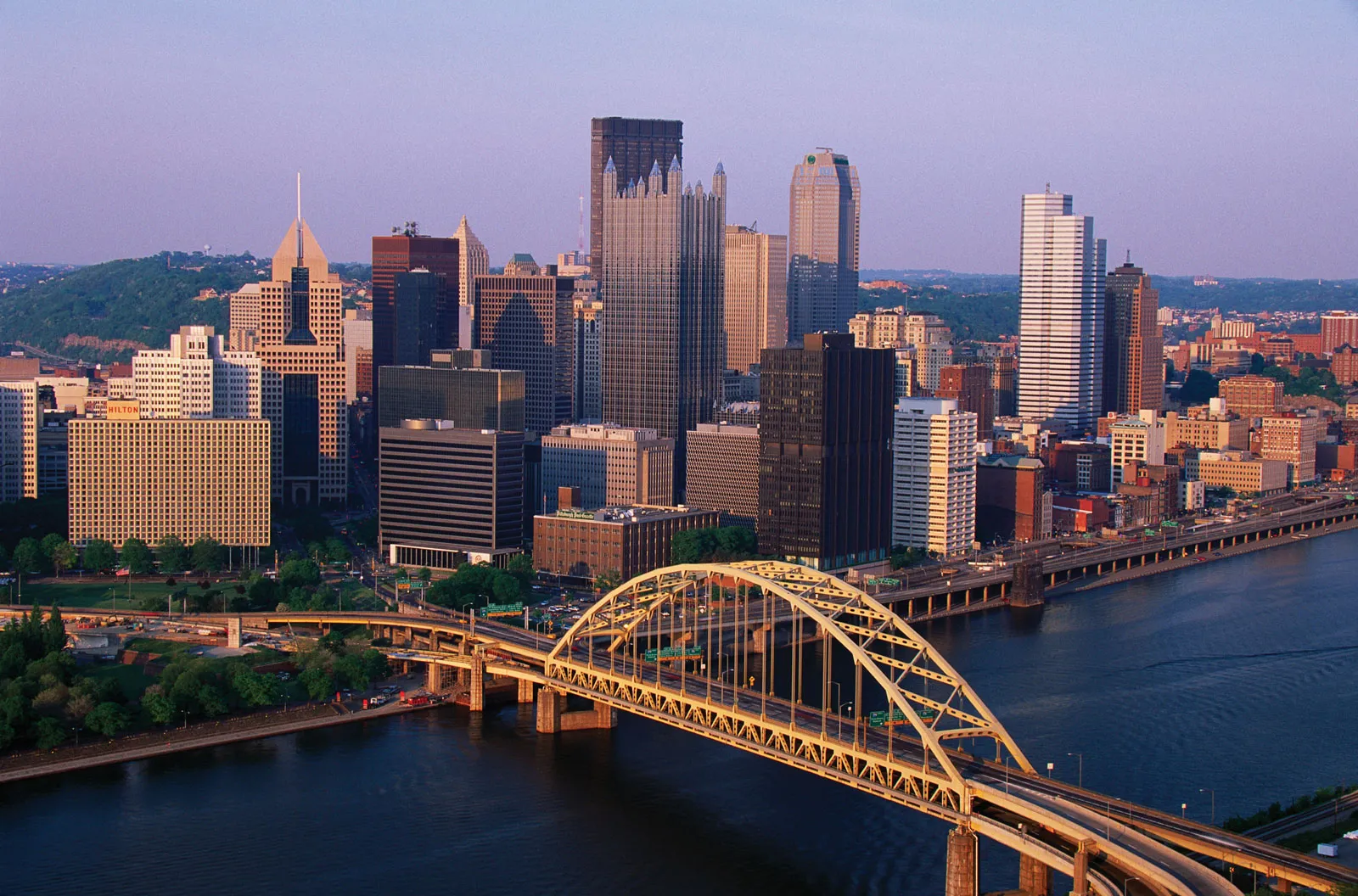
Columbia sits on the east bank of the Susquehanna River in Lancaster County, directly across the Veterans Memorial Bridge from Wrightsville in York County. The borough grew as a rail and river shipping point in the nineteenth century, and today its commercial base runs through a walkable Locust Street business district, a scatter of riverfront and former industrial parcels, and a rental housing stock shaped by the town's older row-home architecture.
Two Counties, One River, Different Markets
Because Columbia faces Wrightsville across the river with a bridge connecting them directly, an exchanger evaluating this market often ends up comparing property on both sides even though they sit in different counties with separate tax and permitting offices. That distinction matters for zoning research and for anyone trying to build a coherent replacement candidate list, since Lancaster County and York County processes are not interchangeable even for parcels a few hundred yards apart.
Locust Street and the Antiques Trade
Columbia has built a modest reputation around antiques and secondhand retail, with Locust Street carrying a mix of storefront shops, a few restaurants, and older commercial buildings converted to mixed residential and retail use. This niche retail base trades on foot traffic from day-trip visitors more than a large resident customer pool, which an investor should weigh against a more conventional neighborhood retail strip elsewhere in Lancaster County.
Property Categories With Real Activity
- Locust Street mixed-use buildings with ground-floor retail
- Row-home and small multifamily rental housing in the borough's residential blocks
- Former rail and riverfront industrial parcels with redevelopment potential
- Small single-tenant retail along the Route 441 river road
- Self-storage and outdoor storage serving the surrounding townships
Institutional-scale product is scarce in Columbia itself, so an exchanger targeting anything larger than a small multi-tenant building will likely need to widen the search toward Lancaster city or York.
River Corridor Considerations Before Closing
Flood exposure along the Susquehanna is a real factor for any parcel near the water or the old canal basin, and it can affect insurance cost and lender terms enough to change the deal economics. Confirming flood zone status and reviewing recent capital work on older row-building roofs and mechanical systems before naming a property as a replacement candidate avoids a surprise that surfaces only during underwriting. A qualified intermediary cannot release exchange funds to cover this kind of pre-purchase diligence, so that work needs to happen on the exchanger's own schedule, in parallel with the 45-day window rather than after it closes.
The Veterans Memorial Bridge itself has occasionally been the subject of maintenance closures over the years, and while that is a traffic inconvenience rather than a property-level risk, an owner leasing to a retail tenant on either side of the river should ask how sensitive that tenant's business is to bridge access before assuming customer traffic will hold steady during any future construction work.
A Practical Columbia Exchange Brief
A usable Columbia exchange brief should connect local property facts to the owner's full transaction. Record the relinquished property's ownership, qualifying use, contract status, expected sale date, estimated net equity, current debt, income profile, deferred maintenance, and management burden. Then state what the replacement must accomplish: continued control, fewer operating duties, different geographic exposure, a particular income objective, or a credible path to closing within the exchange period.
The market issues discussed on this Columbia page should travel with that brief rather than sit in a separate search file. In particular, two counties, one river, different markets, locust street and the antiques trade, property categories with real activity, and river corridor considerations before closing can affect pricing, diligence, financing, and backup-property decisions. Sharing those points with the independent qualified intermediary, CPA, counsel, brokers, lender, and closing team helps each professional respond to the same transaction facts.
- Confirm the sale date and every deadline already in motion.
- Write down the replacement property's required income, debt, control, and workload.
- Keep primary and backup choices subject to the same diligence standards.
- Assign each unresolved tax, legal, financing, title, property, or offering question to the appropriate professional.
Common 1031 Exchange Questions
Should I compare Columbia property against Wrightsville on the other side of the river
It is a reasonable comparison since the two towns are connected by a bridge and share a regional market, but they sit in different counties with separate zoning and tax offices, so treat the research as two distinct processes even for nearby parcels.
Is Columbia's antiques and retail district a strong 1031 replacement fit
It can work for an investor comfortable with a niche, visitor-driven retail base rather than a large resident customer pool. It generally suits someone prioritizing a lower entry price over rapid rent growth.
Does flood risk near the Susquehanna affect a Columbia exchange purchase
Flood risk does not change the exchange rules, but it can affect insurance cost and financing terms, so confirming flood zone status before a property becomes a replacement candidate is worth doing early rather than during underwriting.
Are there enough larger commercial buildings in Columbia to meet the three-property rule
Not always. Columbia's inventory leans toward smaller mixed-use and residential buildings, so an exchanger targeting institutional-scale product may need to include Lancaster city or York properties on the same list.
Can exchange proceeds fund an environmental or flood review before closing on a Columbia property
No, a qualified intermediary holds exchange proceeds strictly for the replacement property purchase and cannot release funds early for due diligence costs, so that review needs to be budgeted separately and completed before the property is finalized.
What should I know about Columbia's rail and river shipping history before buying an older parcel
Some parcels near the old rail yards or river landings may carry legacy soil conditions from prior industrial or shipping use, so a title search paired with a basic environmental screening is worth doing before that kind of property goes on a replacement shortlist, particularly if redevelopment is part of the investment plan.